
RSIL
x
SJA
Cross Provincial Judicial Fellowship 2026
29 June – 8 July 2026 | Karachi · Lahore · Islamabad

Pakistan’s district judiciary operates at the frontline of justice delivery, handling an enormous and ever-expanding volume and variety of cases. Additional District and Sessions Judges, in particular, are entrusted with significant judicial responsibility, presiding over complex civil, criminal, and increasingly specialised matters at a stage in their careers where breadth of knowledge is as important as depth. Yet the pace of legislative change in Pakistan means that new laws, specialised courts, and evolving legal frameworks continue to emerge faster than structured learning opportunities can keep pace with. Judges may find themselves presiding over cases involving niche areas of law without prior formal exposure to those areas. Moreover, judicial recruitment examinations are designed to assess foundational legal competence and cannot, by their nature, cover every area of law that a judge will encounter in practice. As Pakistan’s legal landscape continues to evolve, the need for ongoing and specialised learning beyond the point of entry into judicial service becomes increasingly important.
Against this backdrop, the Research Society of International Law (RSIL), in collaboration with the Sindh Judicial Academy (SJA), is organising the Cross-Provincial Judicial Fellowship — a structured, immersive, and multi-city programme for Additional District and Sessions Judges drawn from across Pakistan.
The Fellowship aims to carve out dedicated time and space for sitting judges to engage deeply with specialised areas of law, learn from expert practitioners across sectors, and build meaningful connections with peers from across the country, equipping them with a stronger foundation across the full range of matters they are likely to encounter on the bench.
Objectives
1
Expose participating judges to expert practitioners to ground judicial understanding in the practical realities of complex cases.
2
Move beyond the traditional lecture model by incorporating field visits, interactive and hands-on sessions, and peer-to-peer exchange alongside expert-led sessions.
3
Foster inter-provincial judicial exchange, enabling judges from different provinces to learn from one another’s jurisdictional experiences, build professional relationships, and develop a shared collegiate identity.
4
Strengthen judicial confidence and competence in adjudicating cases involving specialised courts and niche legal frameworks.
5
Broaden the substantive legal knowledge of participating judges across specialised and emerging areas of law.
Programme Design
Participants: 20 Additional District and Sessions Judges nominated from across Pakistan’s provinces and territories, in coordination with respective High Courts and Provincial Judicial Academies. Selection will prioritise provincial balance, merit, and diversity. Itinerary: The Fellowship runs for 10 working days across three cities

29 June to 1 July
Karachi

2 July to 5 July
Lahore

6 July to 8 July
Islamabad
Thematic Areas
Expert-led sessions will cover a range of specialised areas requiring adjudication. Speakers will be drawn from the judiciary, legal practice, civil society, academia, and relevant industries.
Methodology
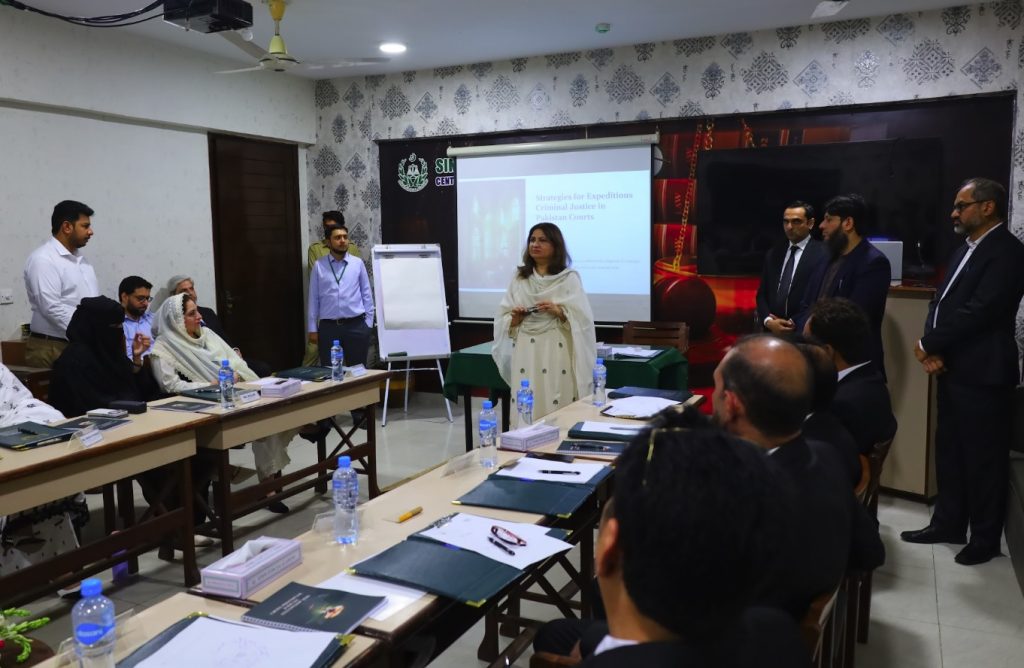
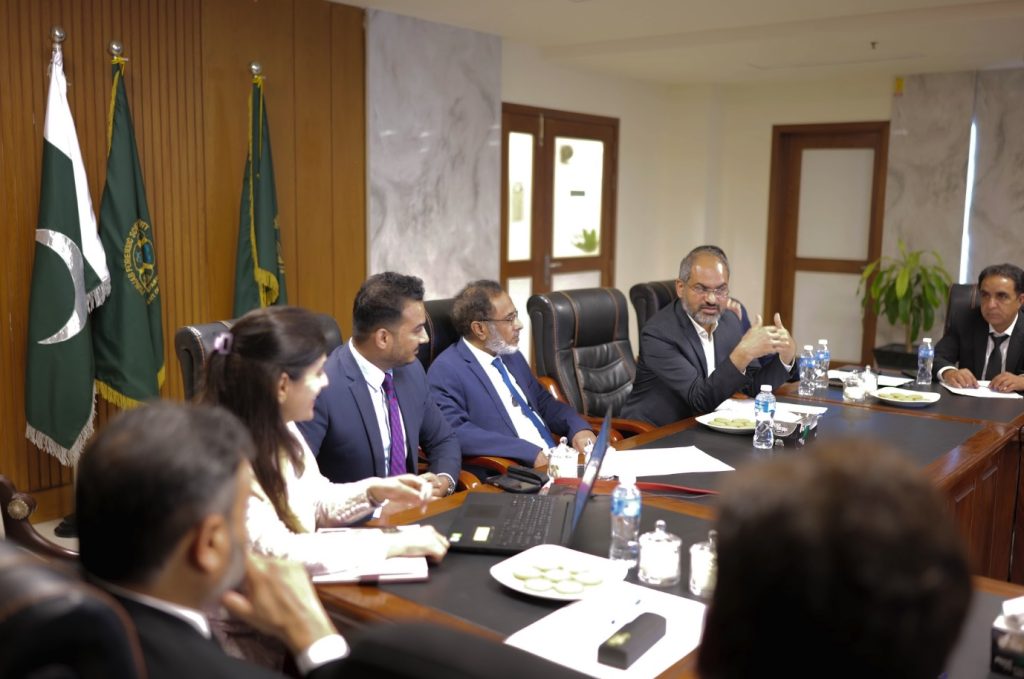
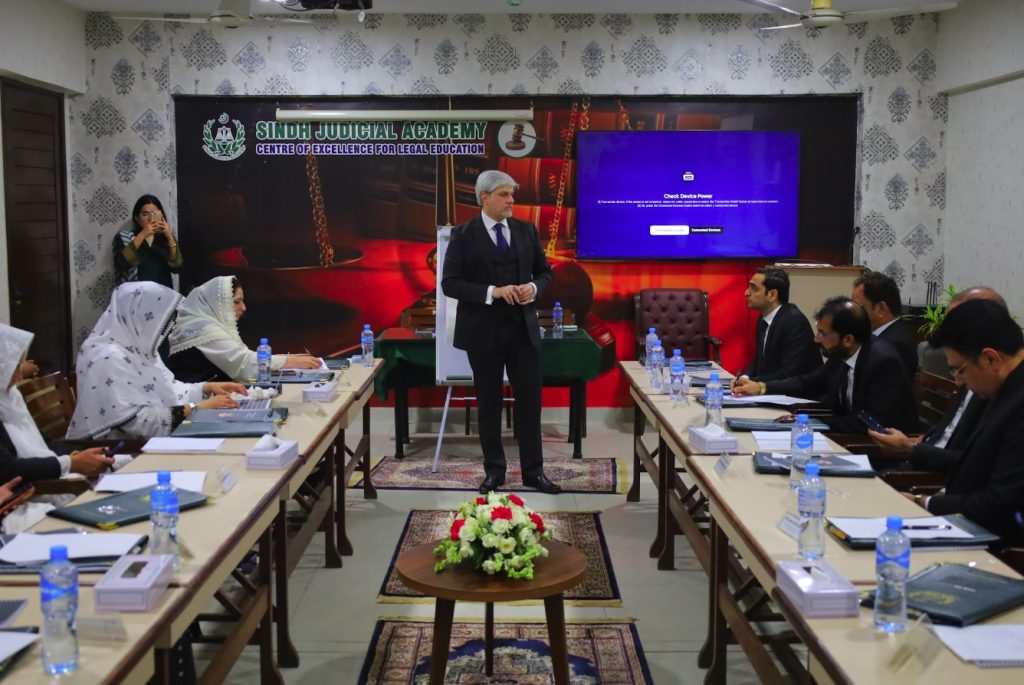
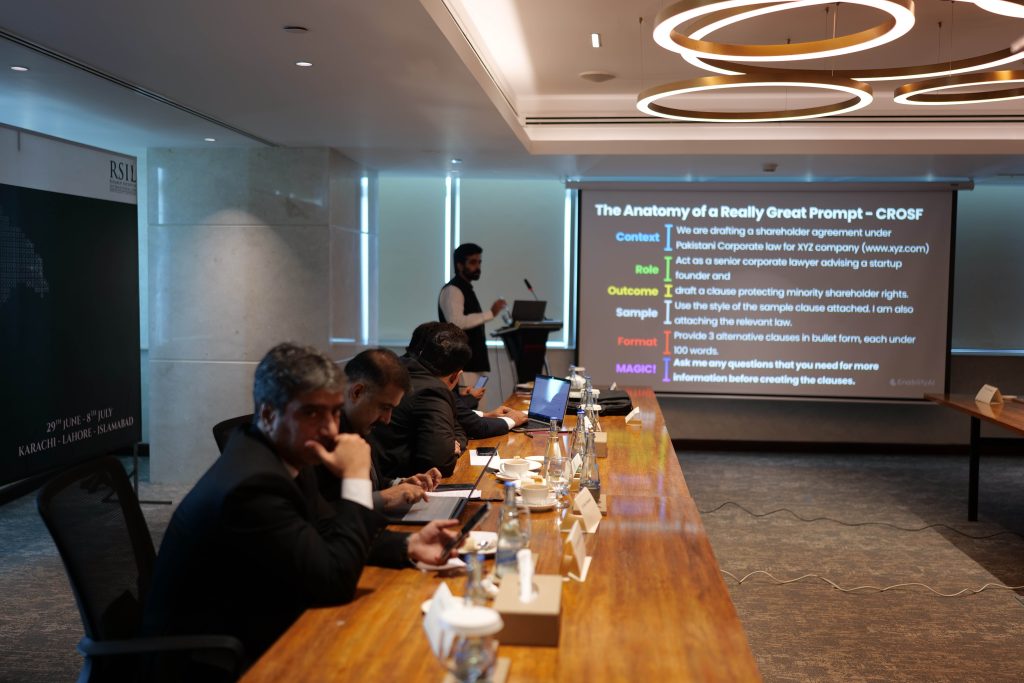
The Fellowship employed a mixed and immersive approach, combining expert lectures, interactive and hands-on sessions, institutional and field visits, cultural excursions, informal peer exchange, and a dedicated wellbeing session. This design was intended to move beyond a traditional lecture-based model by combining substantive legal learning with practical exposure, inter-provincial exchange, informal networking, and attention to the well-being of judicial officers.
Established in 1993, the Research Society of International Law (RSIL) is Pakistan’s premier non-partisan, private-sector think tank. As a non-partisan, apolitical institution, RSIL conducts research at the intersection of international and domestic law to inform policy, strengthen legal capacity, and promote compliance with Pakistan’s international commitments. Its highly qualified team undertakes academic research, policy analysis, and public sector legal reform projects, producing evidence-based recommendations to address gaps in law. RSIL also develops platforms for capacity building, scholarship, and publication, fostering disciplined and creative engagement with international law. Through its initiatives, RSIL seeks to enhance understanding of legal challenges, cultivate professional expertise, and build networks nationally and internationally, advancing the thoughtful application of law and contributing to meaningful legal and policy development.
Established in May 1992 under a Resolution of the Honourable High Court of Sindh and governed by the Sindh Judicial Academy Act, 1994 (Act IX of 1994), the Sindh Judicial Academy is the premier judicial training institution of the Province. It is dedicated to strengthening the administration of justice through quality judicial education, professional training, legal and constitutional research, curriculum development, and institutional capacity building for judicial officers, law officers, and members of the Bar. The Academy conducts training programmes, seminars, conferences, workshops, symposia, departmental examinations, and scholarly publications while fostering collaboration across the justice sector. Committed to innovation and excellence, it is also implementing a state-of-the-art Learning Management System (LMS) to deliver accessible, technology-driven, and future-ready judicial education